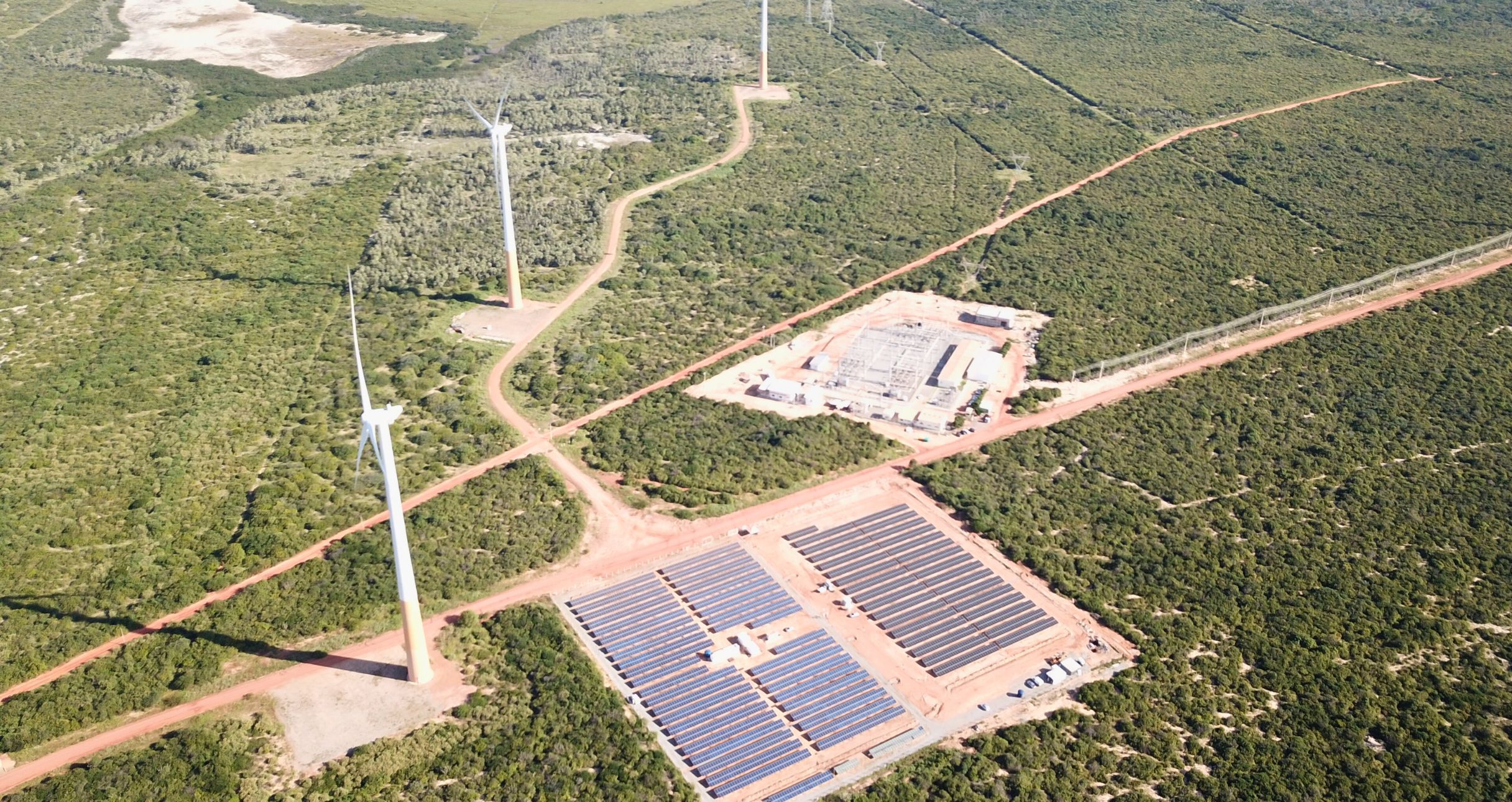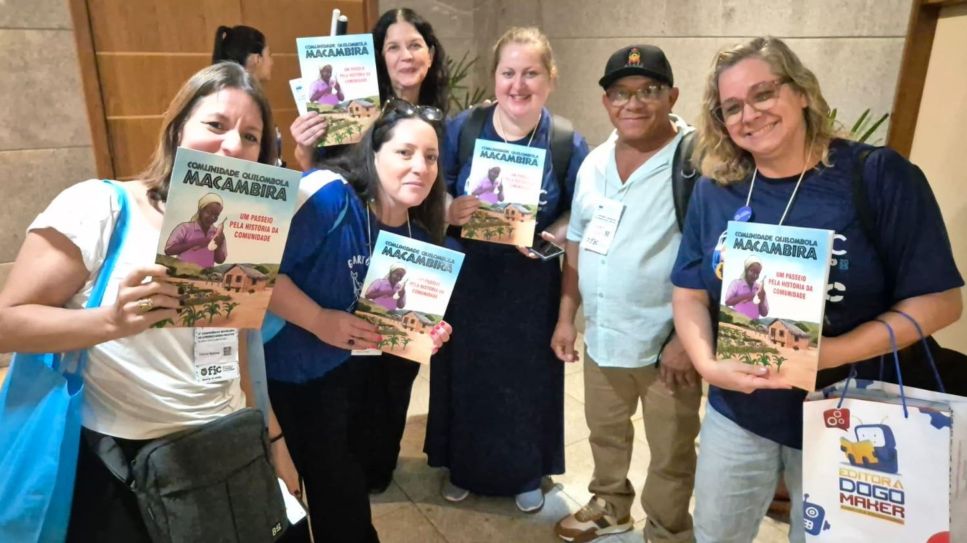
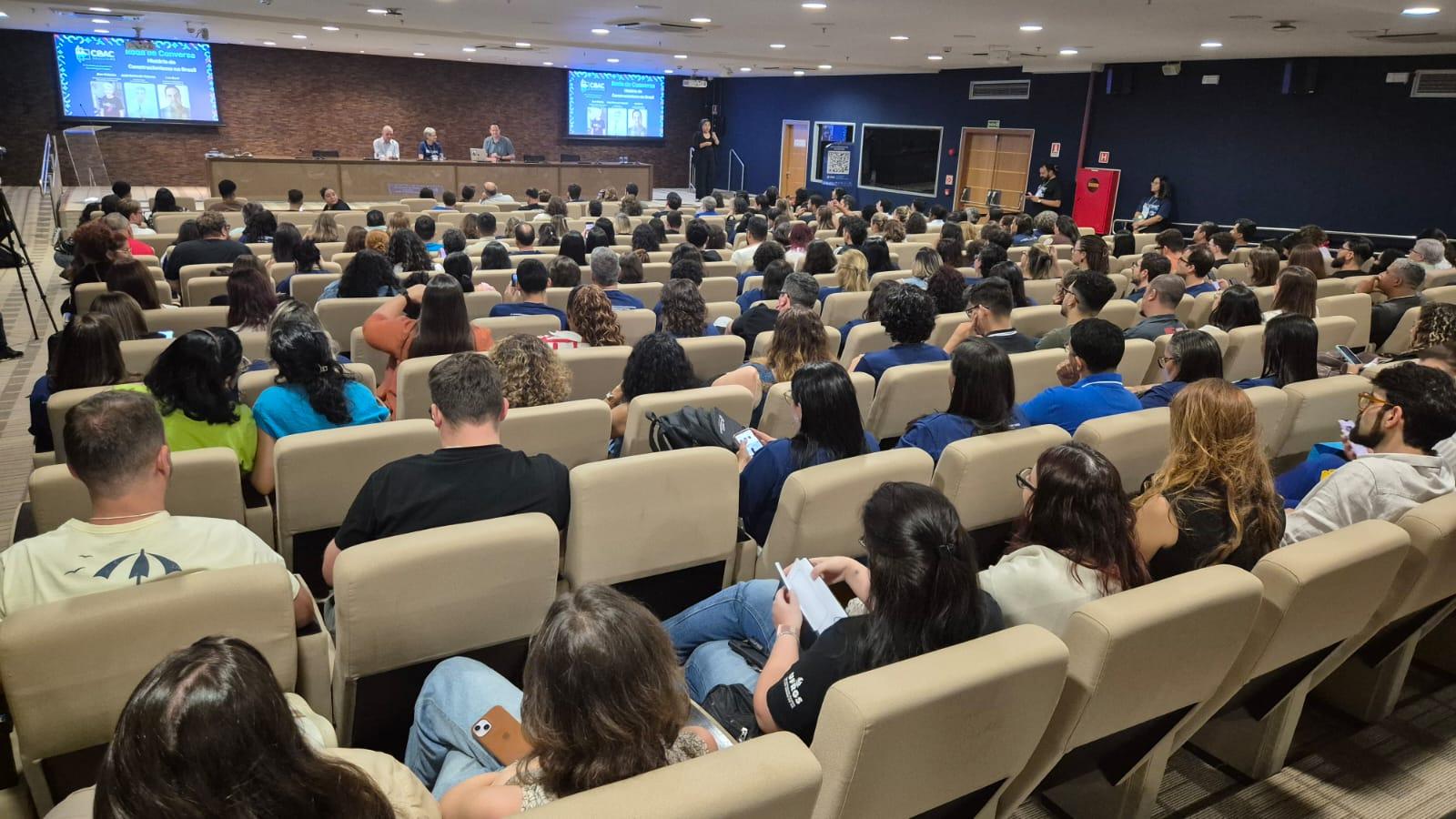
Between October 29 and 31, the Macambira Quilombola Museum, located in Lagoa Nova (RN), near the Acauã Wind Complex, participated in the 5th Brazilian Conference on Creative Learning (CBAC), held in Brasília/DF. The event, which had as its theme “Learning and Creativity within Everyone’s Reach”, brought together hundreds of educators, researchers, cultural agents and representatives of universities from different regions of the country.
The conference was also attended by researchers from the MIT Media Lab, such as Mitchel Resnick, Ann Berger Valente, José Armando Valente and Leo Burd. CBAC is a joint initiative of the Brazilian Network for Creative Learning and the MIT Media Lab, with support from several partner institutions.
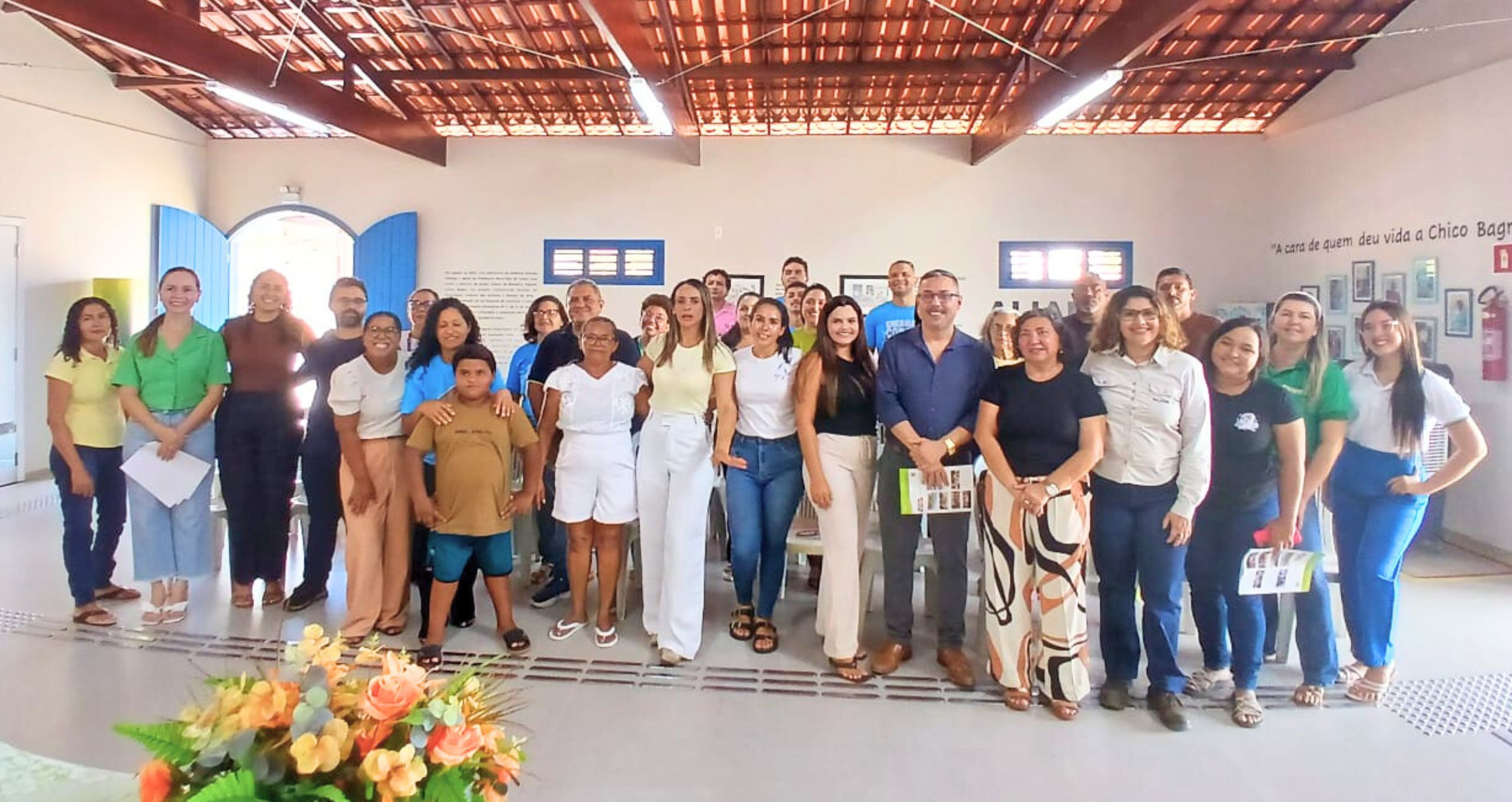
During the event, the Quilombola Museum of Macambira presented the experience “Quilombo da Macambira: memory and history” and launched the book “Macambira: a walk through the history of the community”, the result of a process of mobilization and dialogue with local residents. The work, prepared in cordel format, translates the oral history of the quilombola community into a poetic and illustrated text, portraying remarkable moments in the trajectory of struggle and resistance of the people of Macambira.
The conference was attended by educators Raimundo Melo and Talita Barbosa, members of the CECOP CSO, a partner of the Quilombola Museum and responsible for the organization and production of the book, as well as Vilmário Cândido, quilombola and president of the Macambira Community Association.
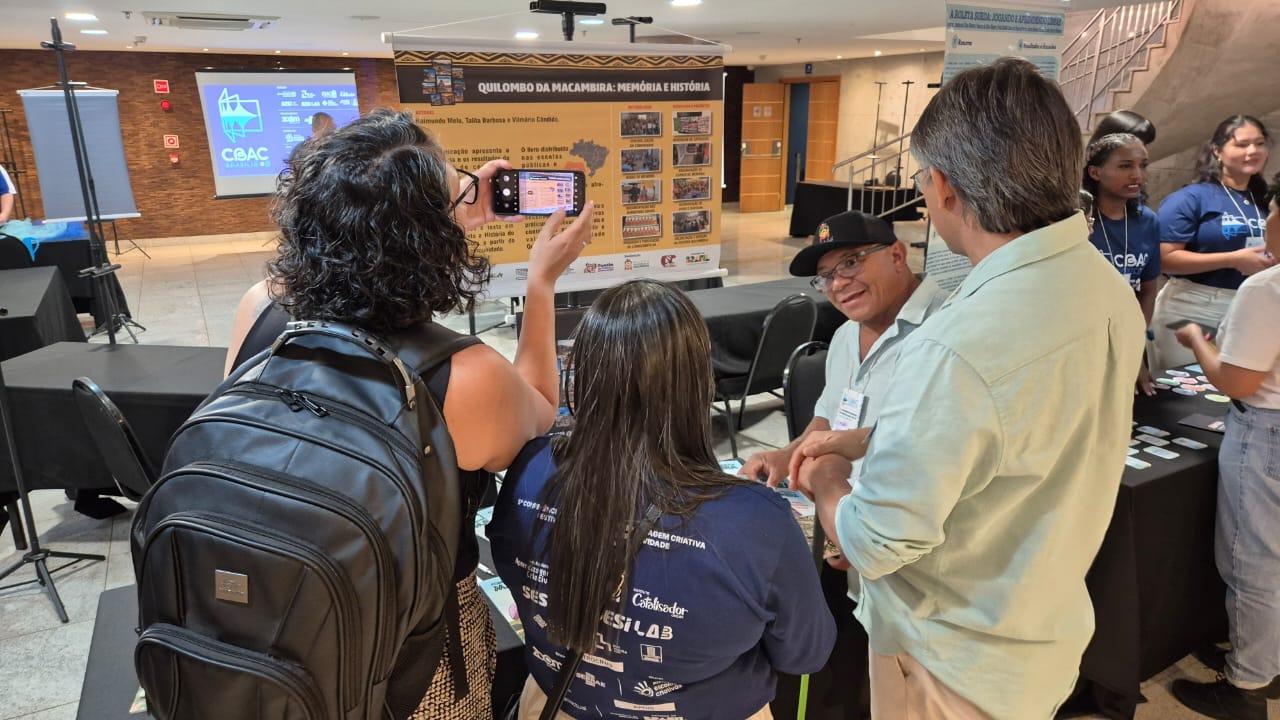
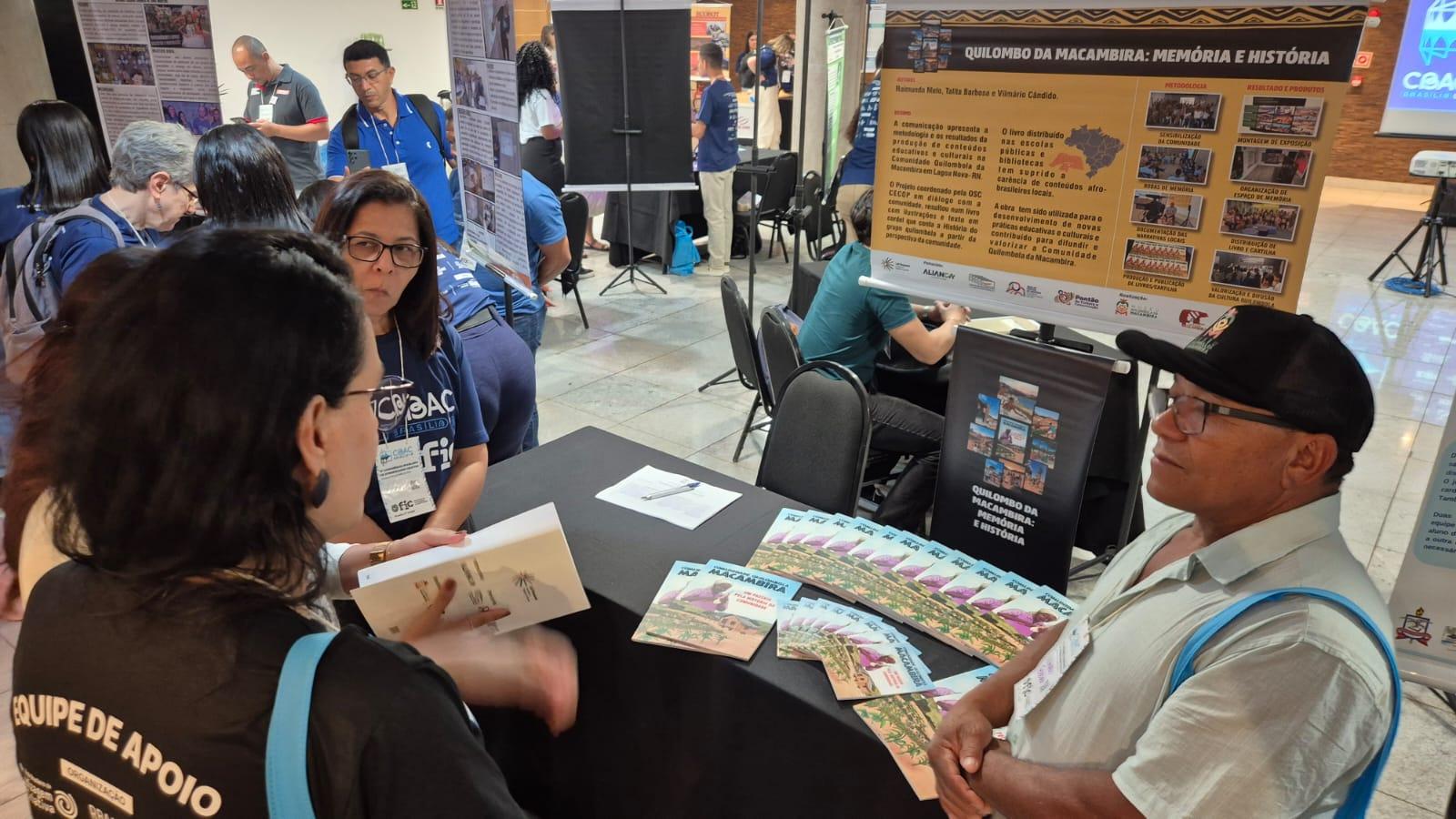
Vilmário highlighted the importance of the experience: “it was a great experience to participate in this event, as it was possible to share the book that records the history of struggles and achievements of the community for several states in Brazil and abroad.”
Educator Raimundo Melo, institutional coordinator of the project, emphasized the impact of the publication: “this book fills a gap in the absence of cultural and educational materials on the history of quilombola groups in Rio Grande do Norte and now reaches several institutions that work with the theme of Afro-Brazilian culture and creative learning in other states of Brazil and abroad.”
The realization of this project, made possible by the sponsorship of Aliança Energia through the Culture Incentive Law, demonstrates the company’s dedication to valuing memory, education and diversity. The initiative also has the partnership of the CSO CECOP, the Network of Culture and Memory Points of RN and the Pontão de Cultura e Comunicação.
By sponsoring actions like this, Aliança Energia contributes to the achievement of the Sustainable Development Goals (SDGs), with emphasis on SDG 4 – Quality Education.
This initiative expands the reach of quilombola voices and reflects Aliança Energia’s engagement with human development and cultural sustainability.