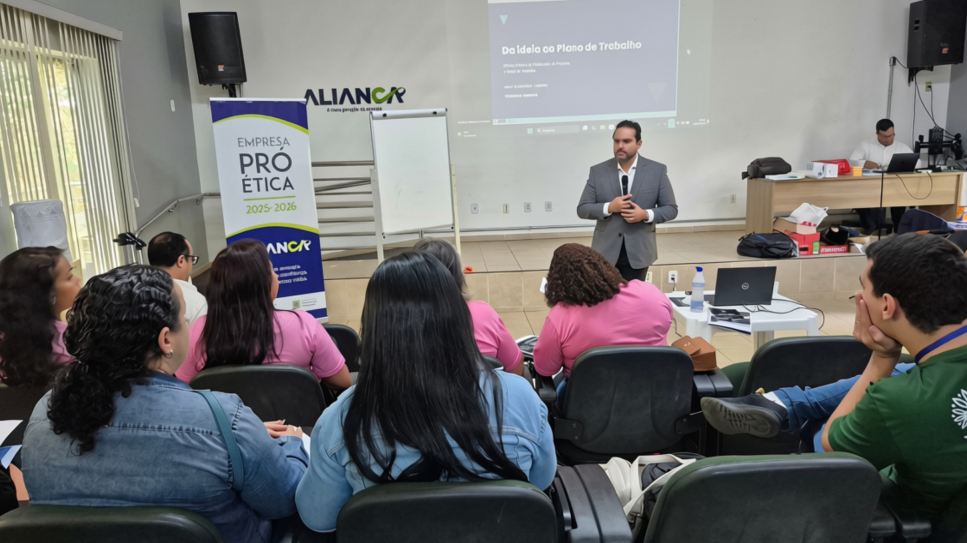
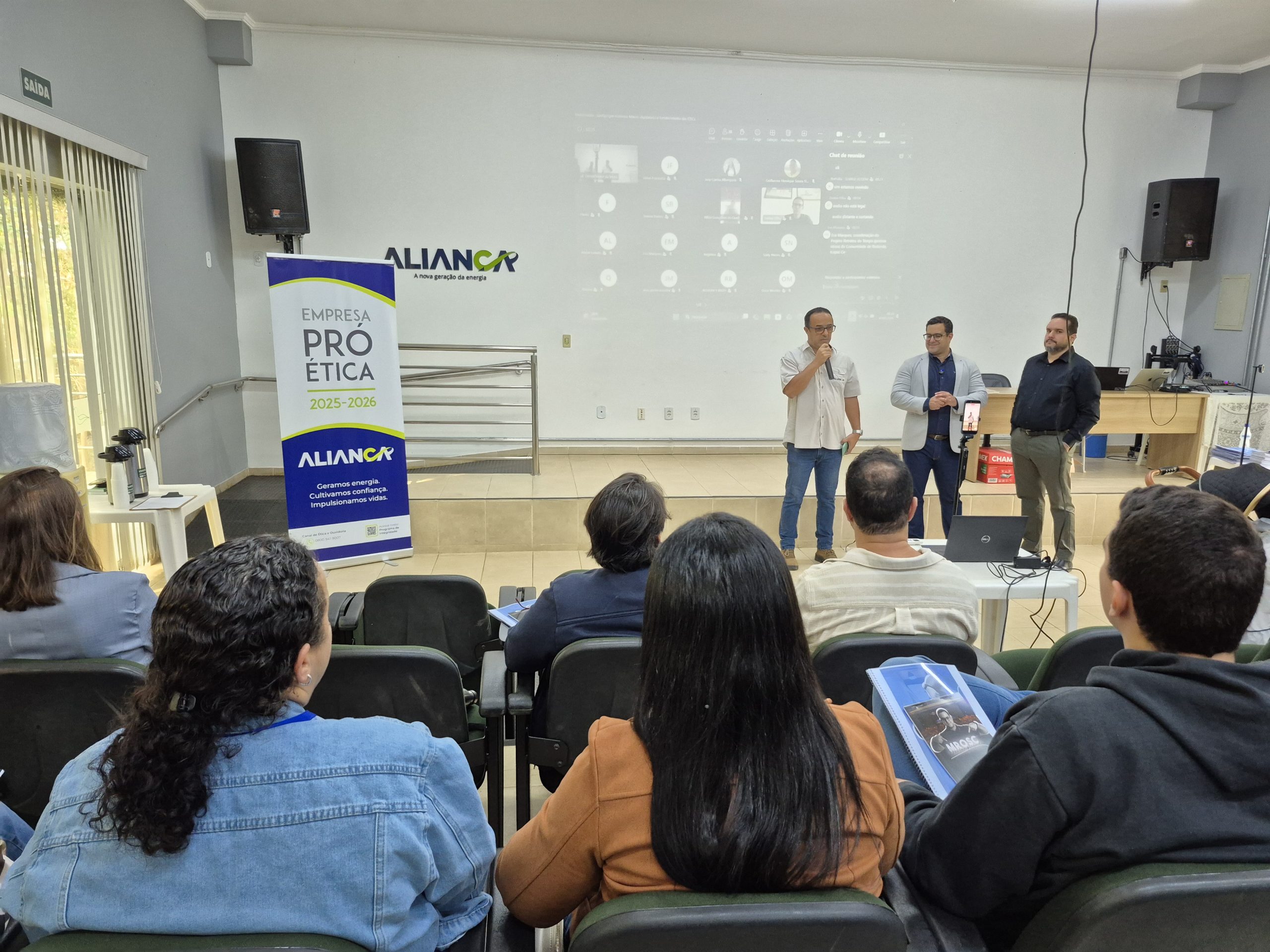
On July 30 and 31, Aliança Energia held the training “Management that Sustains: Regulatory Framework and Strengthening of CSOs”, in the auditorium of the Aimorés Botanical Park (MG). During the two days, representatives of Civil Society Organizations (CSOs) participated in a program aimed at updating, exchanging experiences and improving the performance of these organizations.
In all, 53 people participated, 25 in person and 28 online. The municipalities of Aimorés, Itueta, Resplendor, Jaíba, Rio Doce, Lavras (MG), Baixo Guandu (ES) and Caetité (BA) were represented, as well as participants from Icapuí (CE) and Lagoa Nova (RN).
The objective of the initiative was to train and update associations on the Regulatory Framework for Civil Society Organizations (MROSC), a set of rules that governs partnerships between the government and CSOs, with Law No. 13,019/2014 as its main reference. Based on this knowledge, the proposal was to expand the capacity of organizations for the preparation of projects, fundraising and institutional development, contributing to their sustainability and governance.
Conducted by experts Oscar Moreira and Vinnicius Ventura, the training addressed, on the first day, fundamental aspects for the development and professionalization of CSOs. Among the topics worked on were governance, with emphasis on clear administrative structures, performance of councils, transparency and legal and accounting compliance, financial sustainability, involving the diversification of revenue sources, access to public notices, tax incentives, parliamentary amendments and partnerships with companies and public authorities, management and technical capacity, with a focus on strategic planning, project preparation, monitoring of indicators and accountability.
The program also promoted reflections on the importance of social participation, encouraging organizations to intensify their performance in councils and forums, maintain permanent dialogue with communities and governments, and contribute to the construction and improvement of public policies.
Subsequently, good practices recommended by the MROSC were presented, such as the creation of specialized technical teams for the management of partnerships, the structuring of the Council for Promotion and Collaboration (CONFOCO), the active transparency of information, the local regulation of Law No. 13,019/2014, the continuous training of civil servants and CSOs and the holding of seminars, training and mechanisms for social participation.
On the second day, the knowledge was put into practice through a project development workshop. The activity enabled participants to transform the content presented into more structured proposals, strengthening the ability of organizations to plan, present and execute initiatives with greater quality and effectiveness.
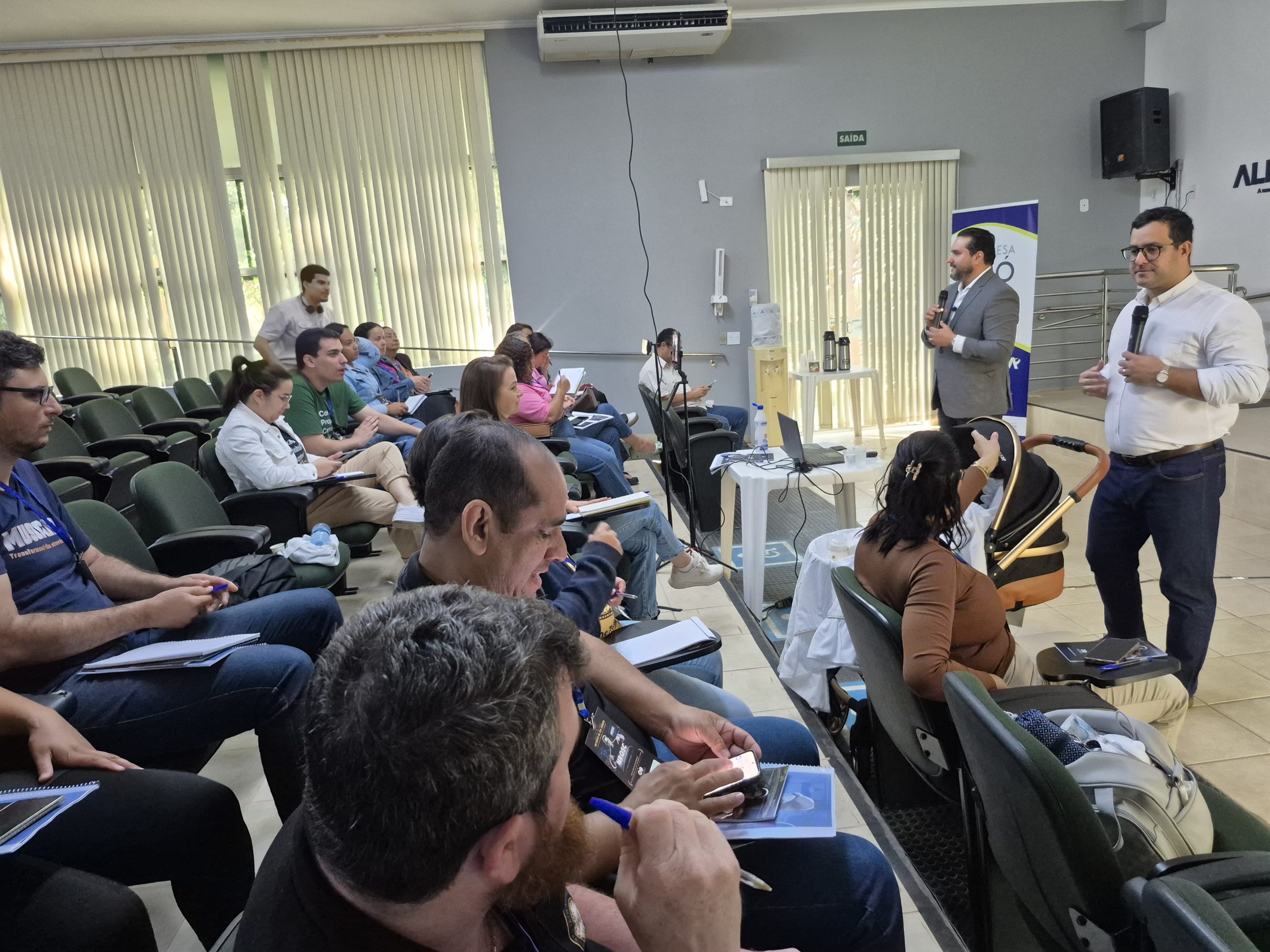
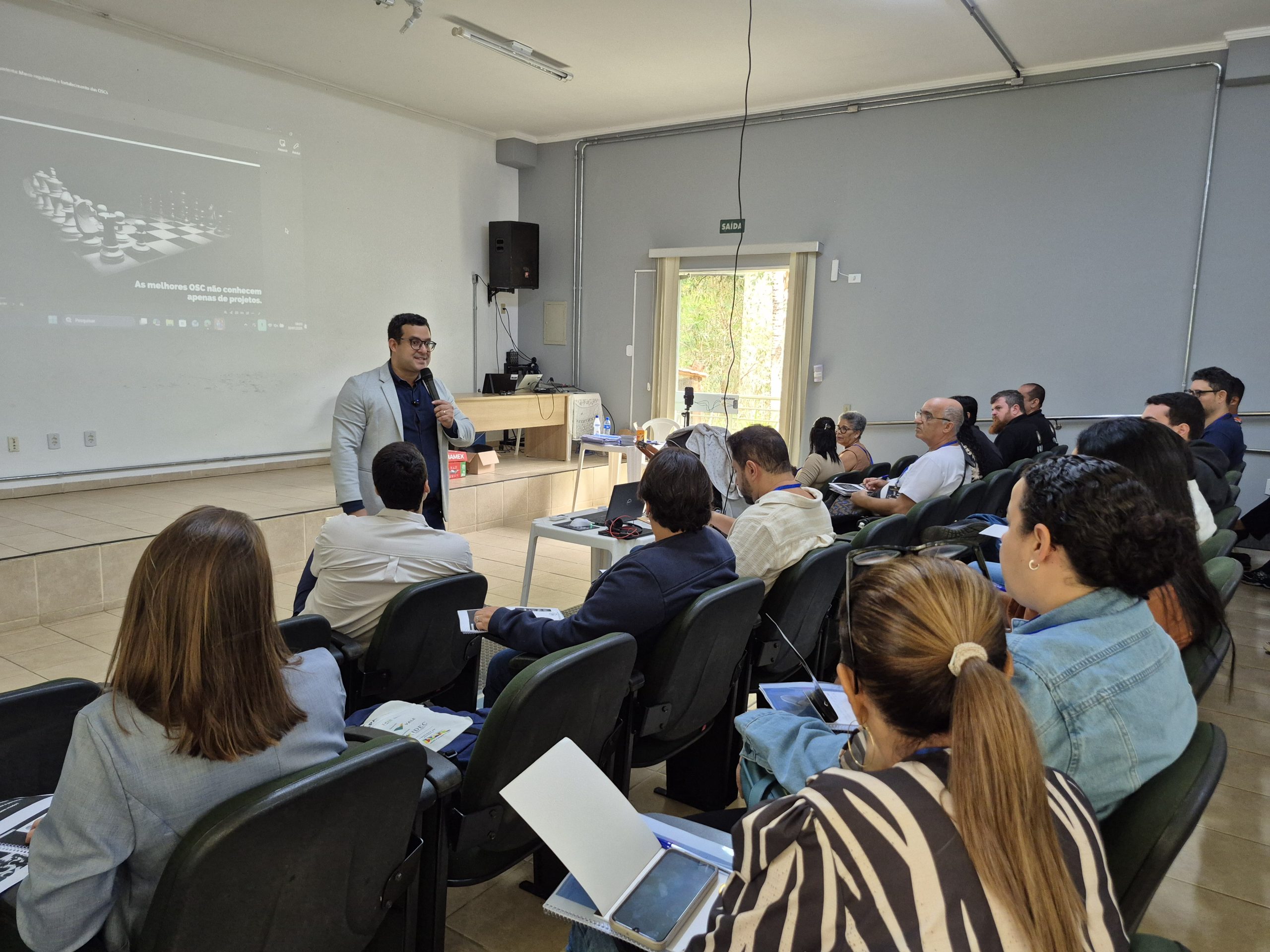
The results of the training were also perceived by the representatives of the participating organizations. For Estefane Silveira, from the NGO Rede Viva, from Itueta, the training represents an especially relevant opportunity for smaller institutions.
“Participating in this training of Aliança Energia brings a great enrichment to the institutions, especially to small institutions like ours. These two days of immersion, training and qualification are of great value for us to apply in the projects we develop and in fundraising. We are putting into practice tools that are being taught, so that they are of good use to the institution and add a lot of value. We also hope to have more opportunities within our territory with actions like this”, he highlighted.
In the same direction, the president of the Cubinho Institute, Andriele Rariva highlighted the practical nature of the contents presented and the possibility of applying the knowledge in the daily life of the organization.
“I want to thank Aliança Energia for this positive result. It was a lot of practical content that we can take to the day to day, in the construction of projects and planning and even in the structuring of the team, to form and replicate the knowledge they brought to us. Thank you very much for the partnership. It was wonderful,” he said.
The participants’ speeches show the value of bringing knowledge and practice closer together, making available to institutions tools applicable to the elaboration of projects, fundraising and the planning of their activities.
This assessment is also shared by Rubens de Souza, Community Relations analyst at Aliança Energia. For him, the training favors more transparent and collaborative relations between civil society, public authorities and other partners.
“By providing new knowledge and management tools, we seek to contribute so that CSOs are increasingly prepared, sustainable and professionalized, with better conditions to develop projects, access resources and generate lasting social impact”.
The initiative is aligned with the Sustainable Development Goals (SDGs) of the United Nations (UN), with emphasis on SDG 4 – Quality Education, SDG 10 – Reduction of Inequalities and SDG 17 – Partnerships and Means of Implementation.
By promoting spaces for training, dialogue and joint construction, Aliança Energia reaffirms its performance in favor of the development of organizations that operate in the territories and the construction of partnerships that are increasingly qualified, transparent and capable of generating results for society.