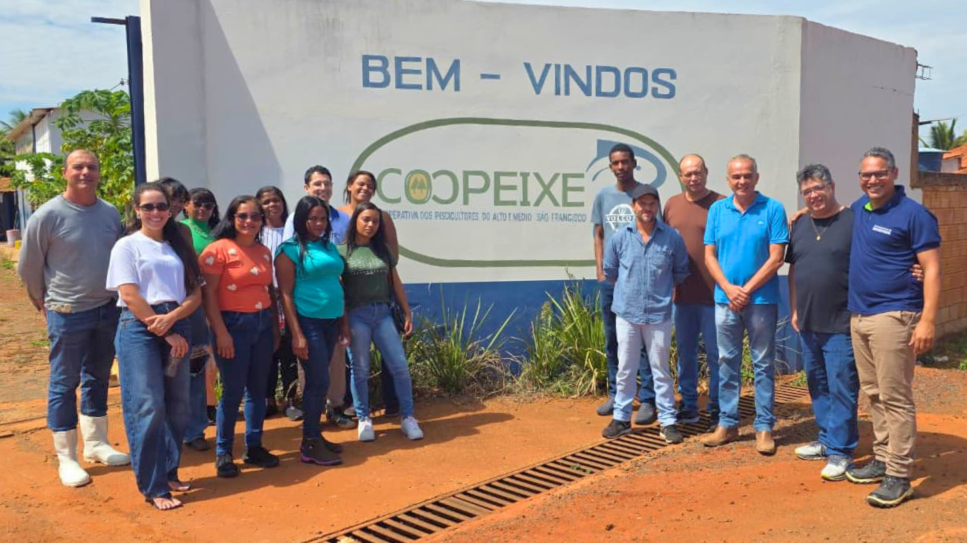
Between September 8 and 10, rural producers from the communities of Lajeado Alto, Lajeado do Meio and Lajeado do Cruzamento, neighboring the Sol do Cerrado UFV, in Jaíba (MG), participated in a technical exchange on fish farming in Morada Nova de Minas (MG). The activity focused on the tilapia production chain and was accompanied by the service provider in the Community Relations area of Aliança Energia, Guilherme Henrique Silva, in partnership with SEBRAE, represented by analyst João Paulo Pereira Cordeiro.
Ten producers contemplated by the Sisteminha project participated in the exchange. In the three communities, 30 units of the methodology have already been implemented, which integrates different productive activities and seeks to contribute to income generation and the sustainable use of the resources available on the properties.
During the program, the participants learned about different stages of the tilapia production chain, from the creation of fingerlings to the processing and marketing of the fish.
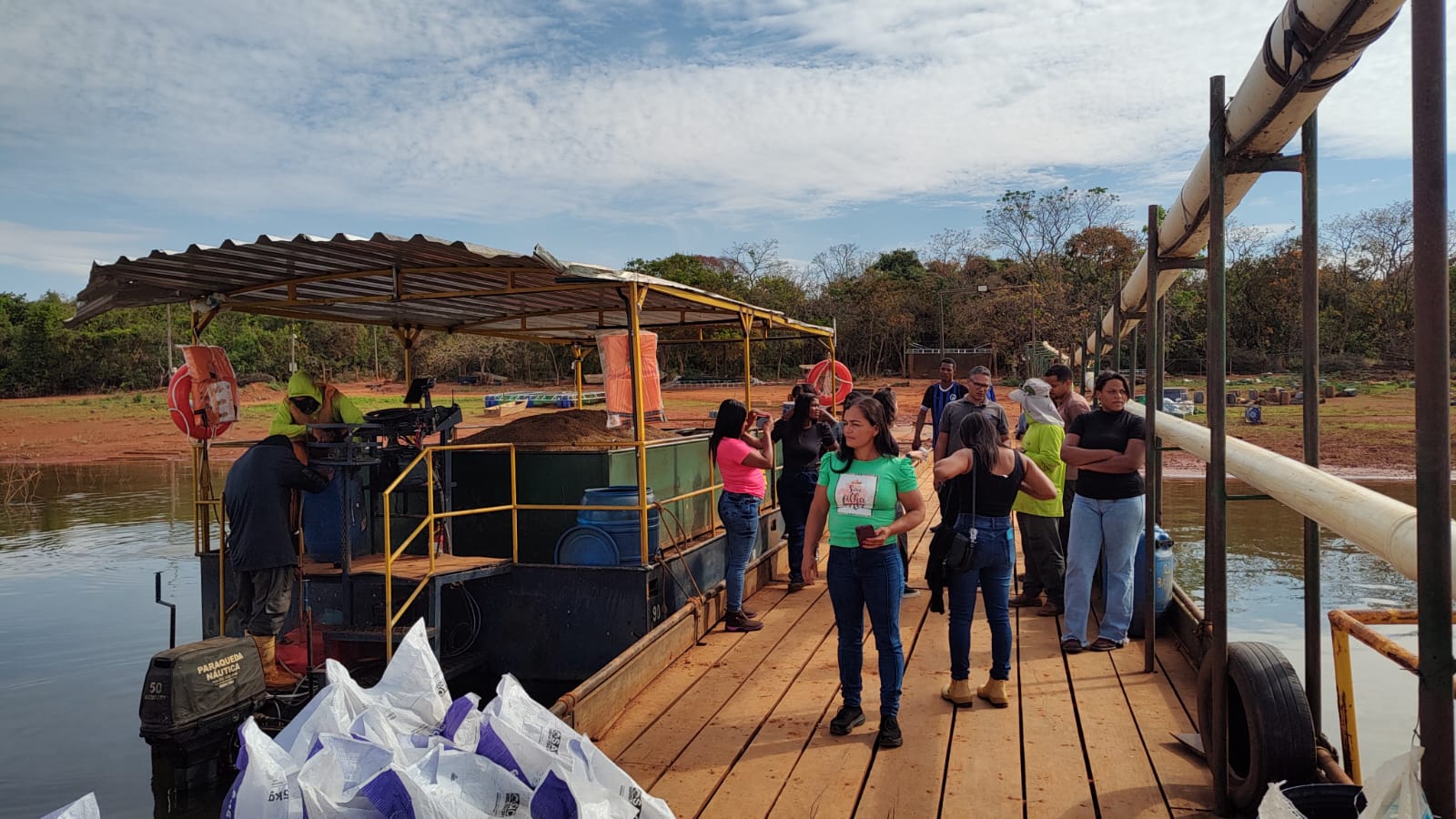
The first place visited was Multi Fish, a company specialized in the production of fingerlings. The partner-owner, Marco Tulio Diniz Peixoto, a veterinarian, presented the procedures and care related to the initial phase of breeding. The participants also learned about ways to integrate fish farming with the production of vegetables and the breeding of laying hens, within a logic of taking advantage of the resources available on the property.
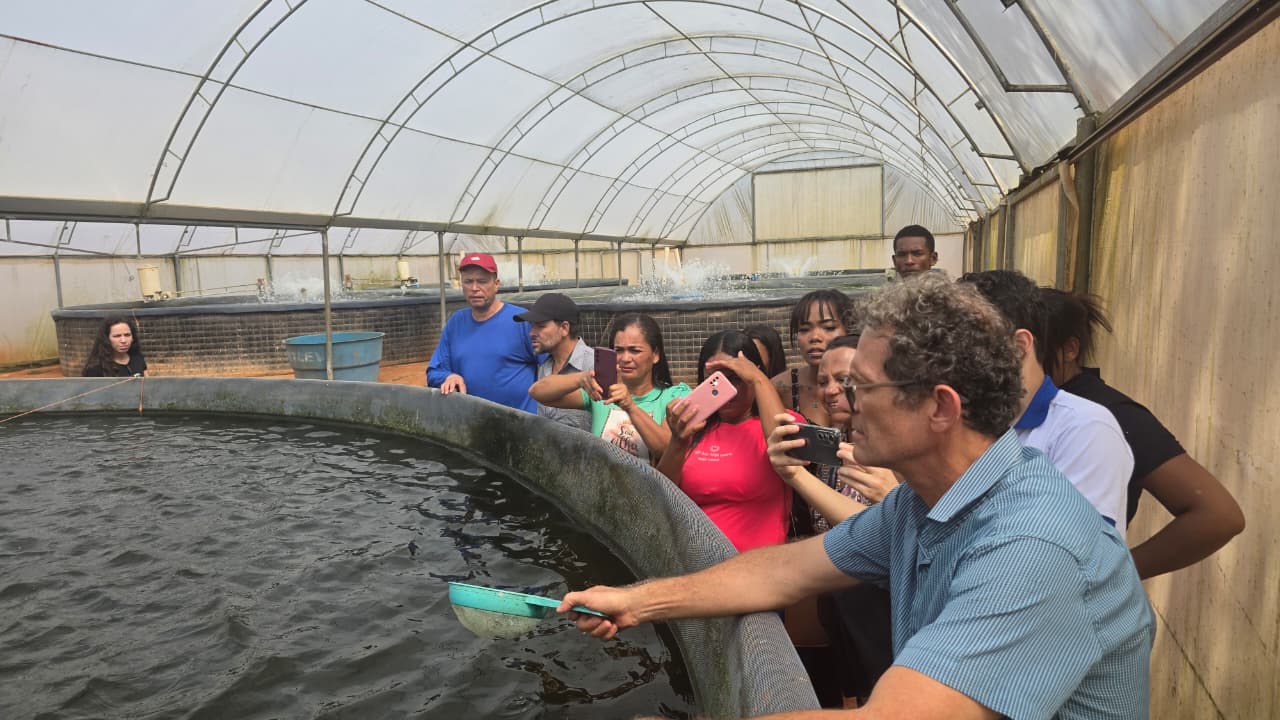
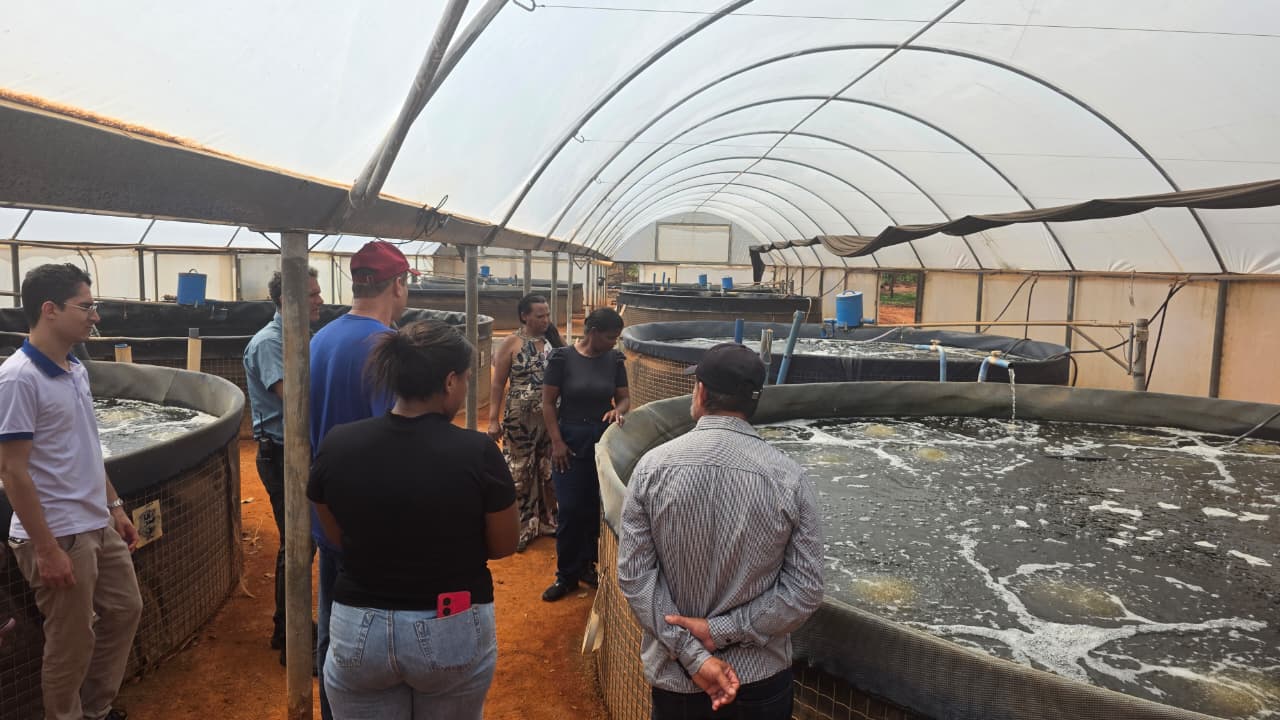
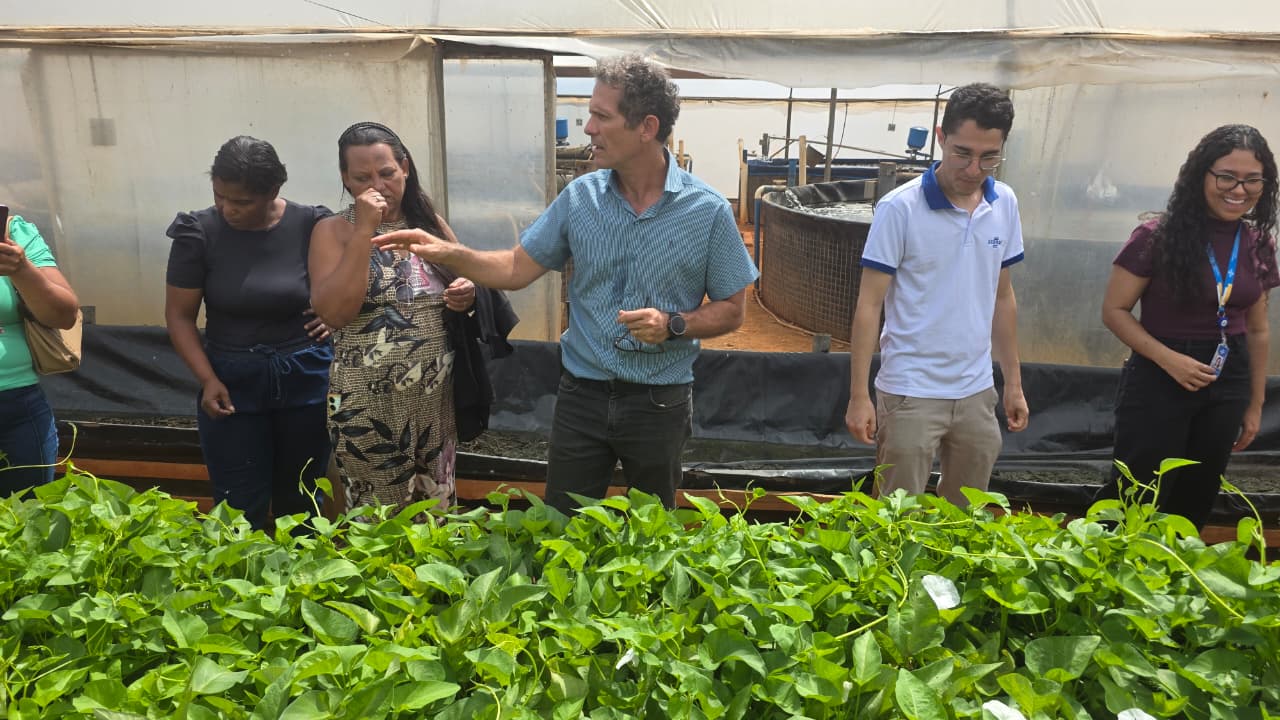
In the next stage, the group visited Cardume Brasil, where they learned about the experience of the owner, Elói Pereira Rodrigues, in the fish fattening phase. The visit also addressed aspects of property management, such as recording information, monitoring indicators, controlling costs, working capital and reinvesting results.
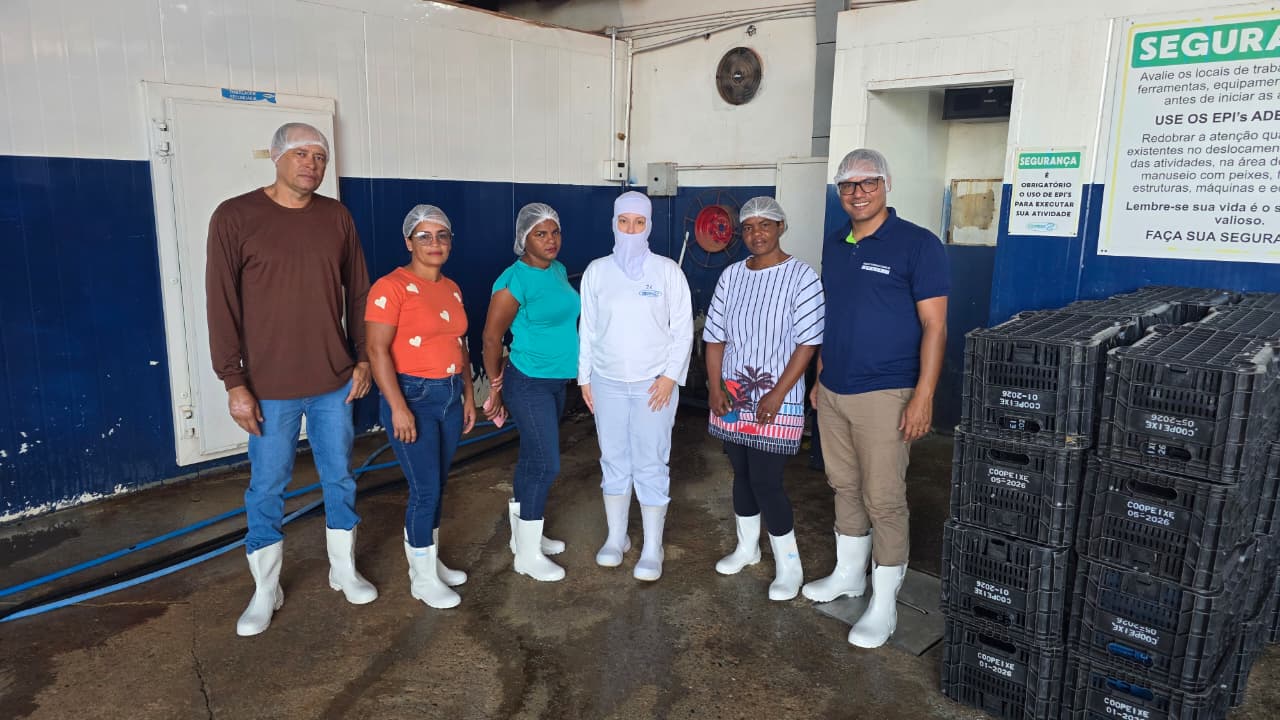
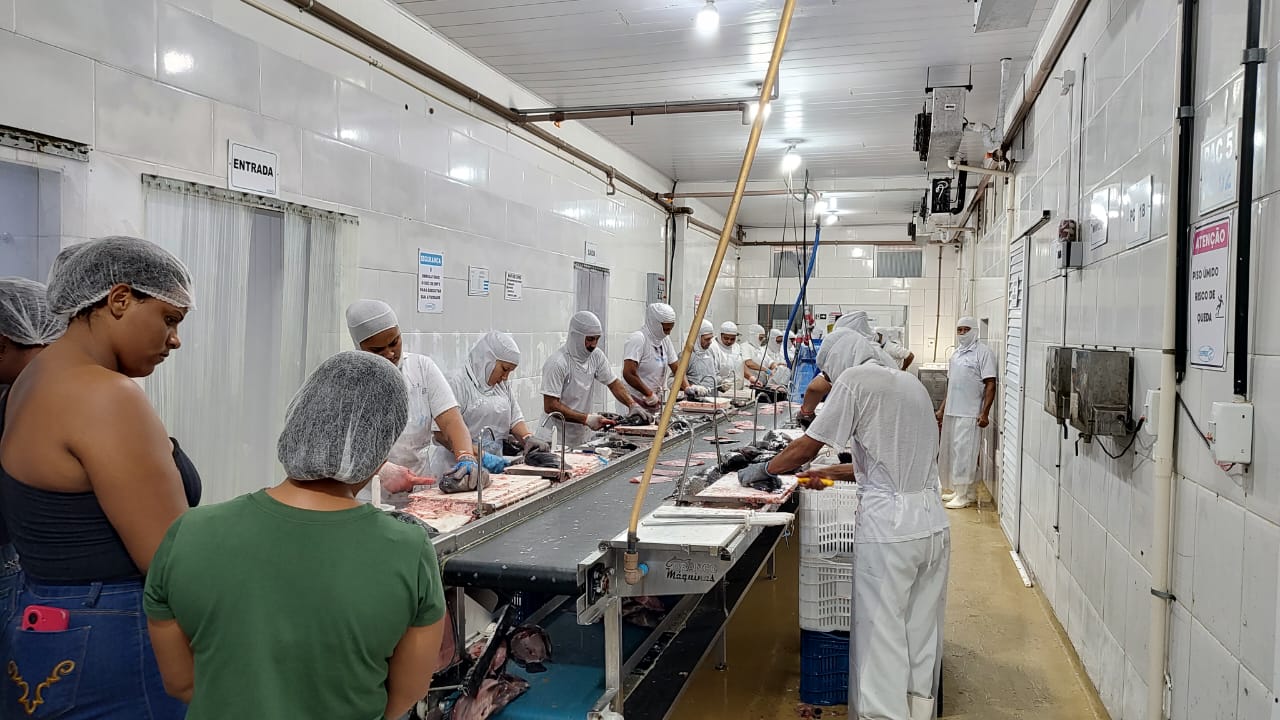
The itinerary was completed at Coopeixe, a cooperative in operation since 2016, which had the support of CODEVASF in the implementation of its structure. Currently, the unit has the capacity to process about eight tons of fish per day. During the visit, the president of the cooperative, Nilton Roberto Oliveira Melo, presented the stages of slaughter and commercialization. According to him, approximately 32% of the fish is destined for the production of fillets, while the other by-products go to the feed industry.
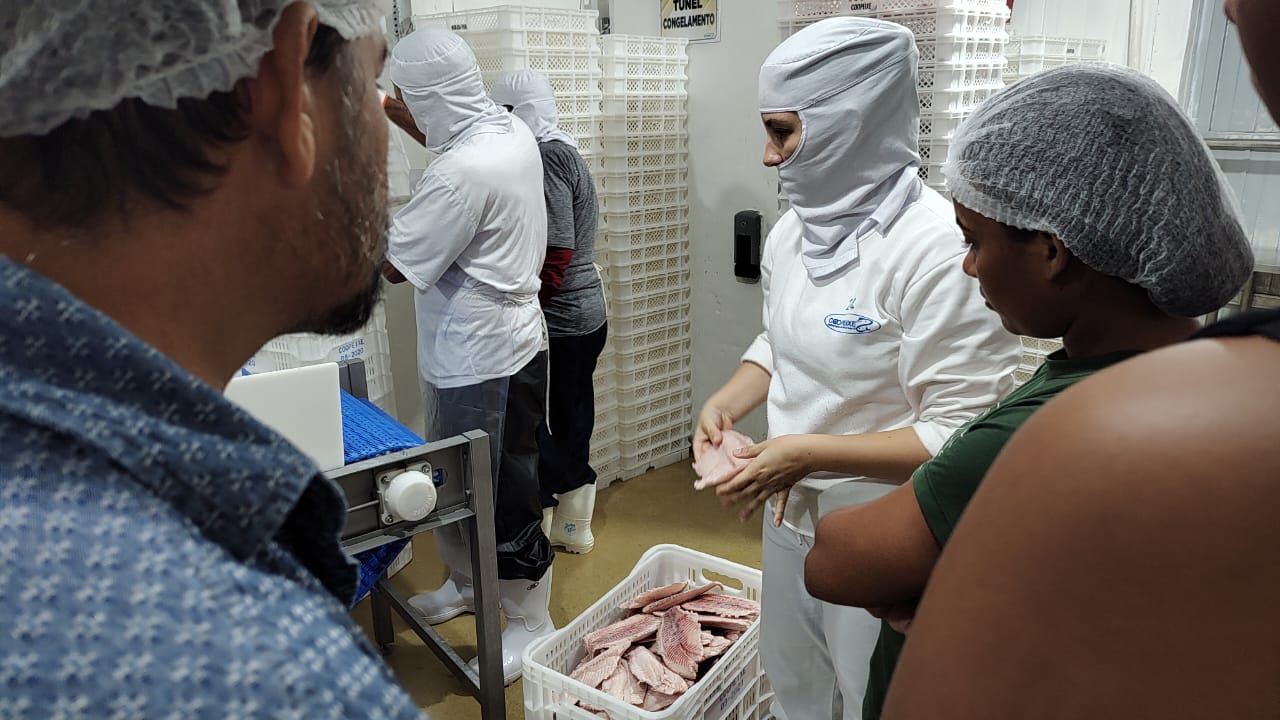
For João Paulo Pereira Cordeiro, from SEBRAE, the exchange allowed producers to learn about practices adopted in one of the main tilapia production centers in the country.
“From this activity, we were able to identify possibilities for serving the group in the areas of property management, finance, brand creation and access to markets.”
The monitoring of producers is foreseen in the referrals for 2026, in addition to a training trail planned for 2027.
The activity also allowed participants to learn about the experiences of other producers and organizations linked to fish farming. For Guilherme Henrique Silva, contact with these experiences contributes to expanding the possibilities of using Sisteminha as an alternative for generating income in the communities.
“By providing this contact with different experiences, we expand the producers’ references and the possibilities of using Sisteminha as an alternative for generating income in the communities.”
President of the Lajeado do Cruzamento Community Association, Otoniel Miguel participated in the trip and highlighted that the contact with other producers brought new references for the activity on the properties.
“The trip was very important because we were able to learn about other experiences and see in practice how other producers work. We came back with new ideas and references that can be applied to our properties.”
The initiative is aligned with the Sustainable Development Goals (SDGs) of the United Nations (UN), with emphasis on SDG 2 – Zero Hunger and Sustainable Agriculture, SDG 4 – Quality Education and SDG 8 – Decent Work and Economic Growth.

The action is part of the initiatives of Aliança Energia aimed at the communities surrounding UFV Sol do Cerrado, with a training front and another to support local productive activities.