Emergency Action Plan
PAE

We continue together for the culture of safety in our community.
Funil HPP
Aimorés HPP

Partnerships

1824314_resize_1500_840.png
24062019112428def_agora
Logo20Defesa20Civil-scaled.jpg
Bombeiros-MG-transparente2.png
corpo-de-bombeiros-ES.png
PM-serviço-layout-aprovado-DCO.jpg
logotwitter.jpg
logo-alianca-branca.png

Informative material on the actions of the Emergency Action Plan for Hydroelectric Power Plants.

Amador Aguiar I

Amador Aguiar II

Candonga

Igarapava

Porto Estrela

Aimorés

NEWS FROM THE PAE

Working together.

What is the Emergency Action Plan?

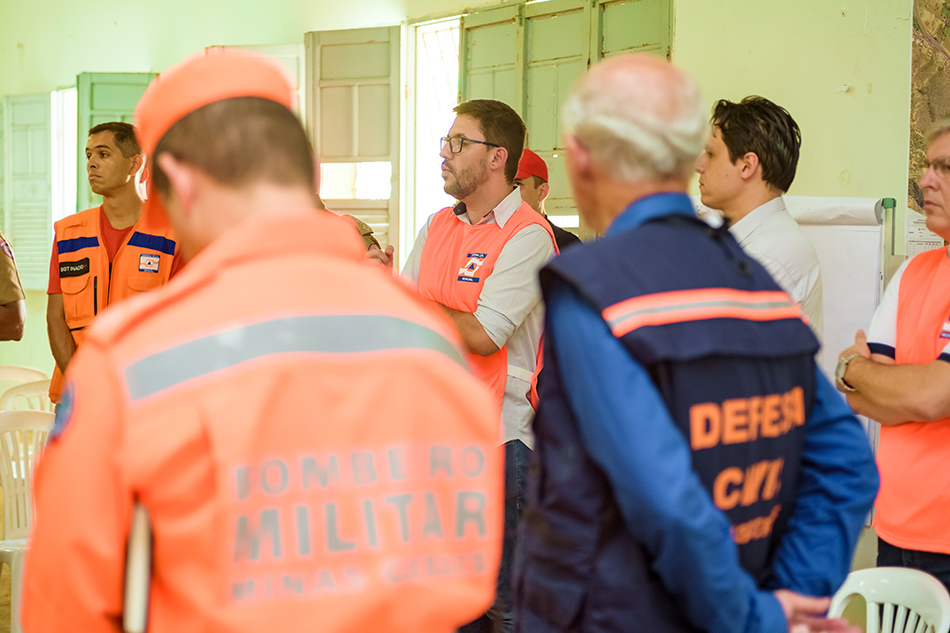
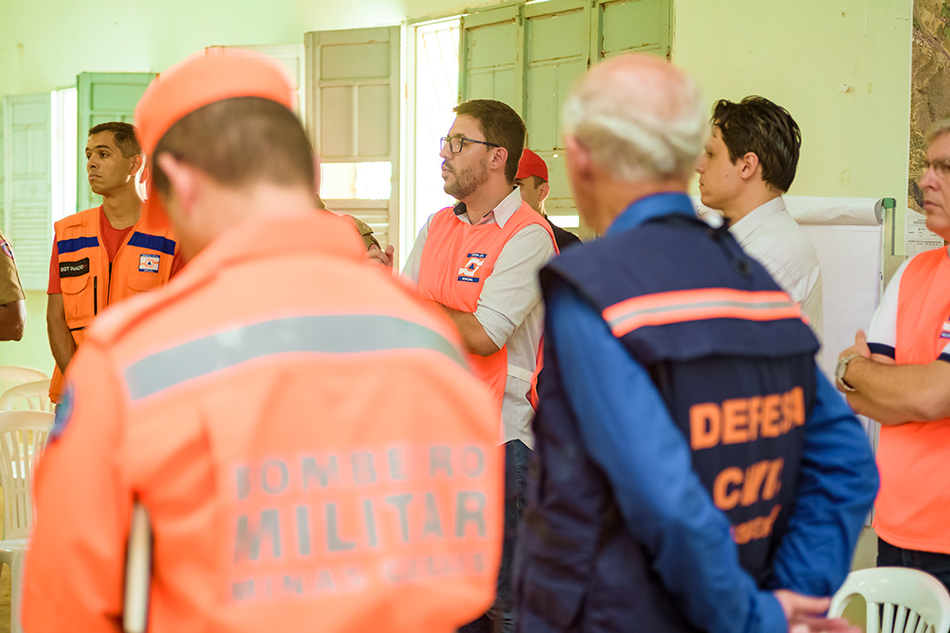
The PAE is a document that contains the guidelines for how Aliança Energia should act in an emergency situation, as well as how interactions with protection and Civil Defense agencies should take place.

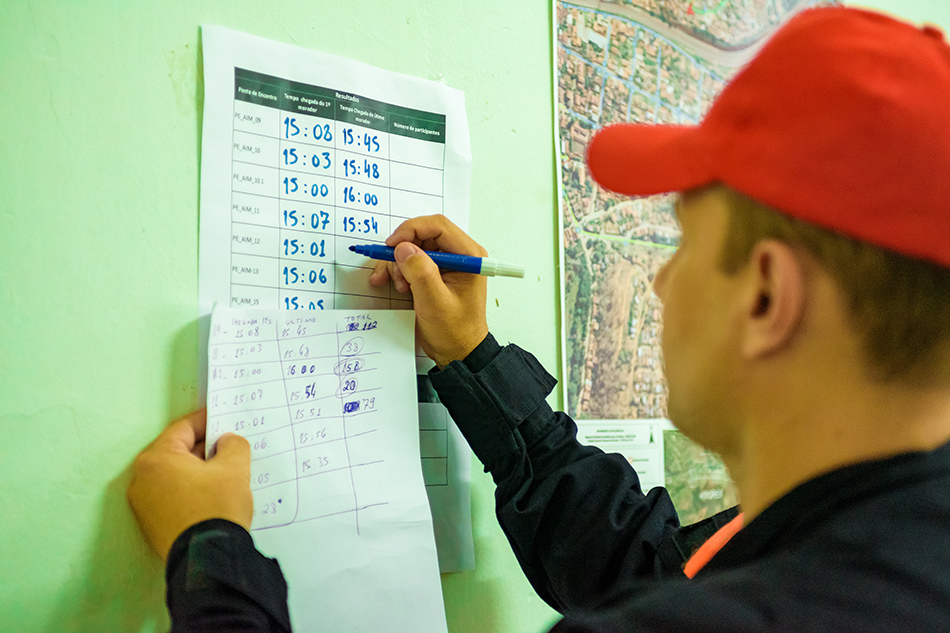
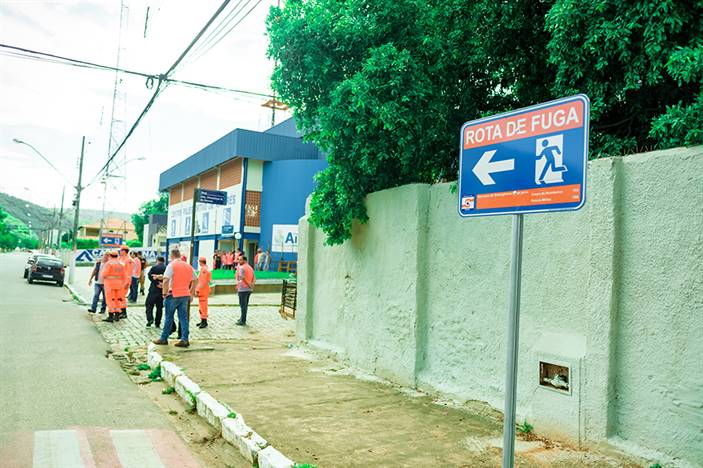
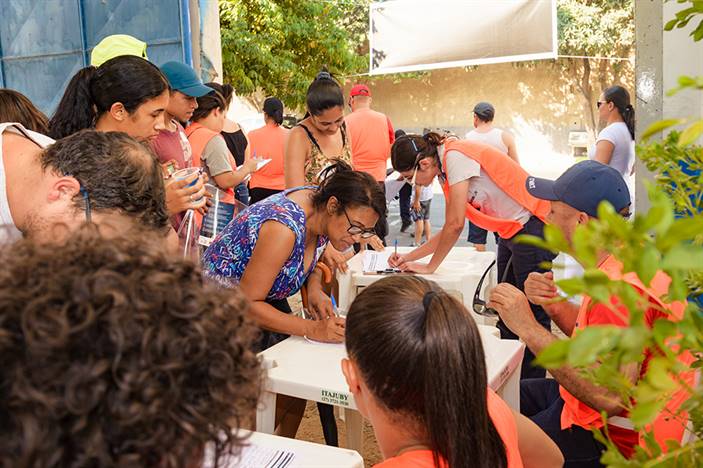
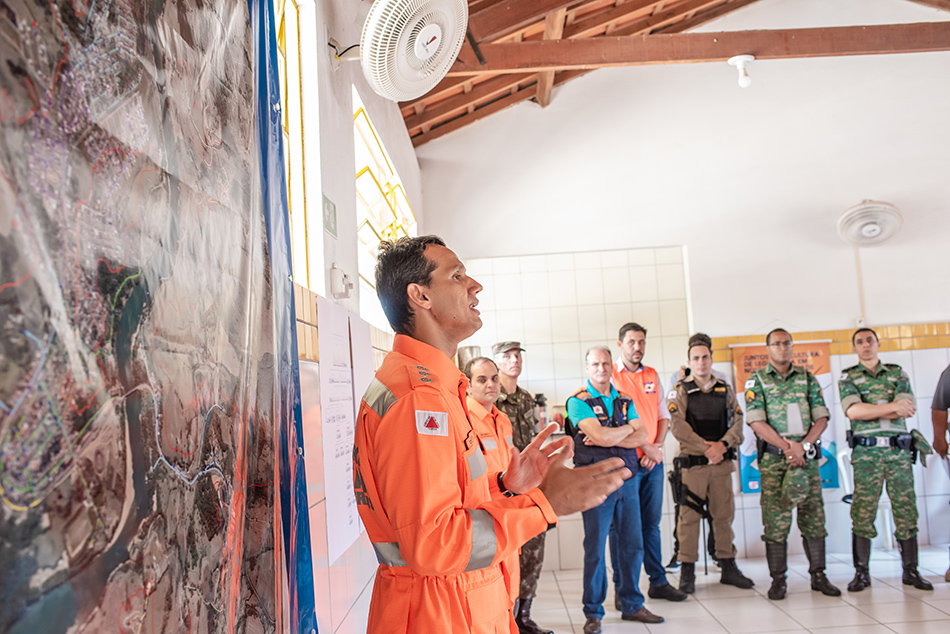
The municipalities located below our dams already have an alert and prevention system. It exists so that the population is warned effectively and will be activated only when an emergency situation occurs. In 2019, the population was able to participate in an evacuation drill to test the routes and signaling.

Understand what the Alert System is and how it works

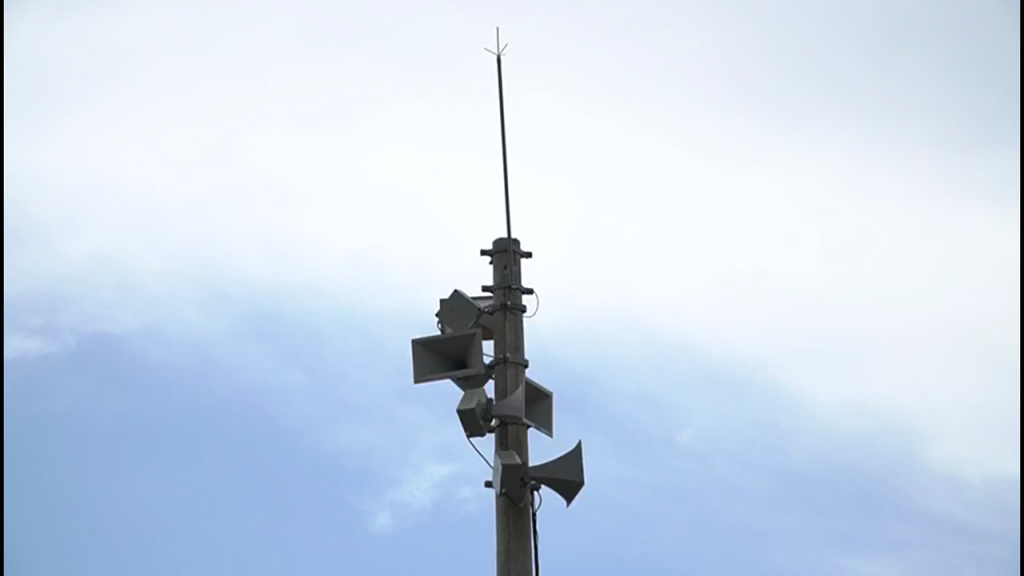
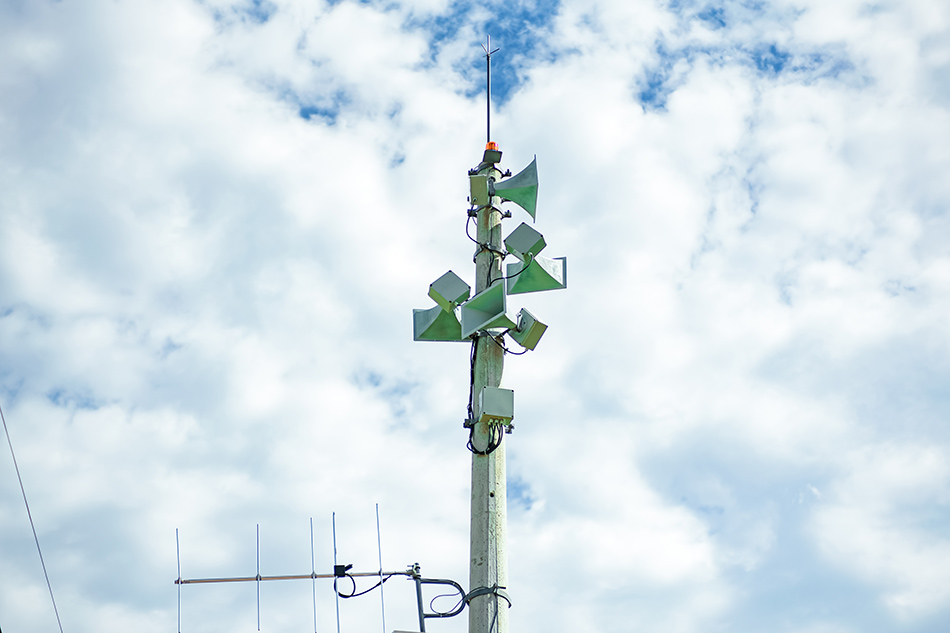
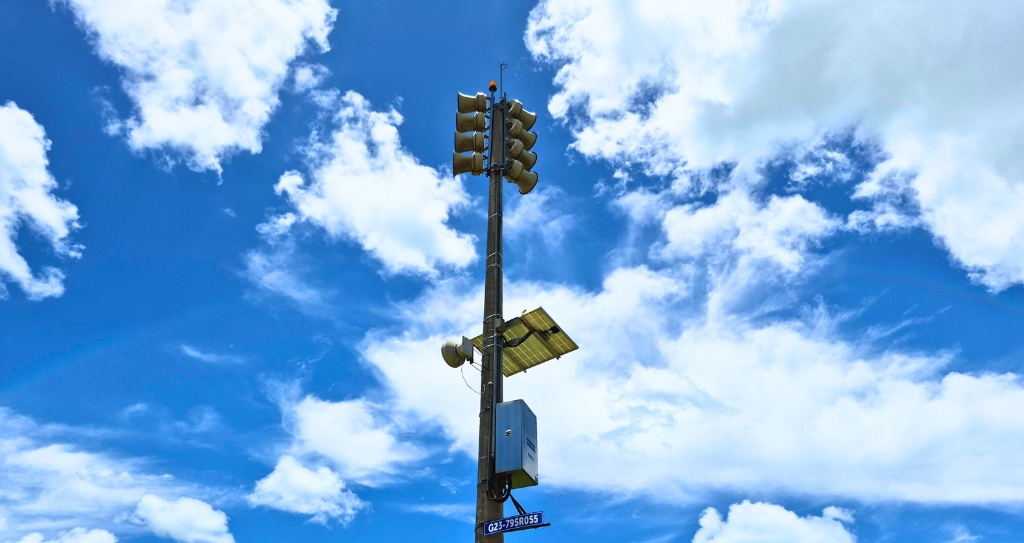
  • Siren: The siren contributes to the alert message being heard by the entire population. From the beep, everyone must follow the nearest escape route.
  • Escape Route: It is a route to be followed in the event of an emergency that requires evacuation of the area.
  • Meeting Point: It is the place marked as safe for people to stay in case of evacuation.

Dam safety.

Aliança Energia’s hydroelectric plants were classified by ANEEL as having LOW associated risk.

Our structures are rigorously inspected by technical teams and their structures fully meet the safety factors required by legislation and are in a normal state of stability, according to the Report of the National Electric Energy Agency – ANEEL, published in 2019.

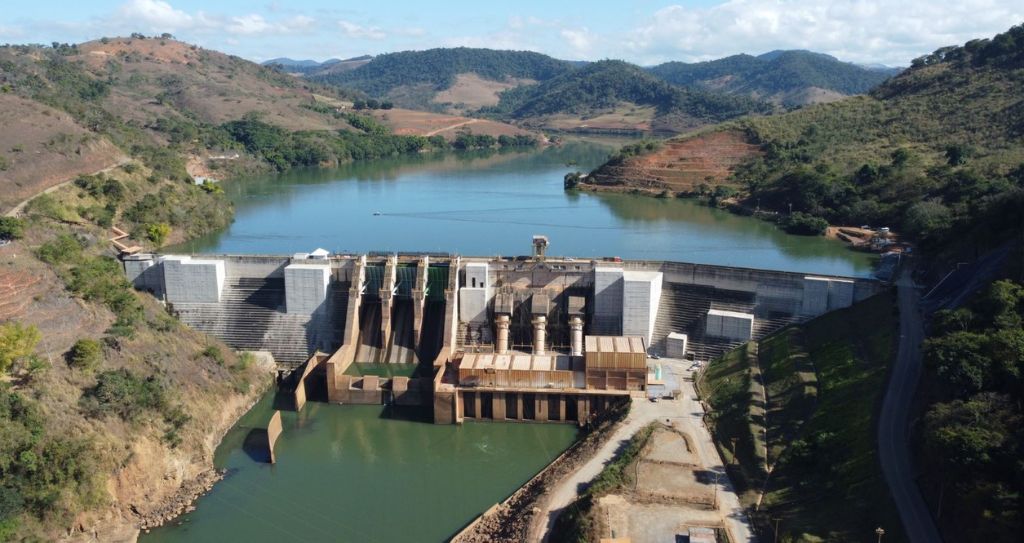
See what the structure of a hydroelectric power plant looks like.

  • Construction: The dams of the Hydroelectric Power Plants are built with concrete, steel, compacted clay soil, carefully selected, and are protected by rocks that give them the appropriate weight to resist the efforts of the water reservoir with maximum safety.
  • Structure: The structures of the hydroelectric dams are made to withstand a very large volume of rain, which would correspond to a historic flood. In addition, they do not undergo raising, as they are already designed for their full capacity. The flow of water is regulated by the floodgates, and the run-of-the-river system allows the water to continue normally in the course of the river.
  • Monitoring: Aliança Energia invests in the conservation and maintenance of the structures of its hydroelectric plants, which are permanently monitored by specialized teams and regulatory agencies, in addition to having numerous equipment, control rooms, among others, aiming at safety.

The structure of the plant is inspected.

  • Hydroelectric plants are permanently monitored by specialized teams and regulatory agencies.
  • Various equipment is used to monitor structures and weather conditions, in order to maintain the safety of the HPP.

Alert levels.

Always prepared.


Emergency situations have different levels of alert, the last of which is the hypothesis or possibility of a rupture. Therefore, it is important to have an emergency plan to know how to act at each moment.

It is worth remembering that the structures undergo constant monitoring to maintain safety and ensure the identification of any problem in its initial phase.


verde.jpg
amarelo.jpg
vermelho.jpg

Informed community is safe community

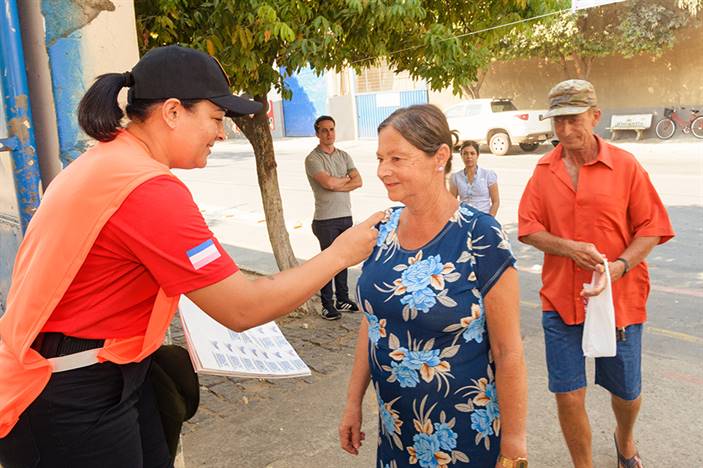
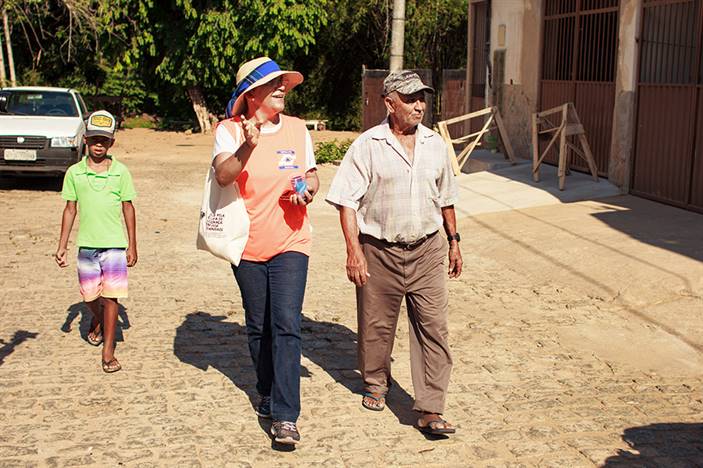
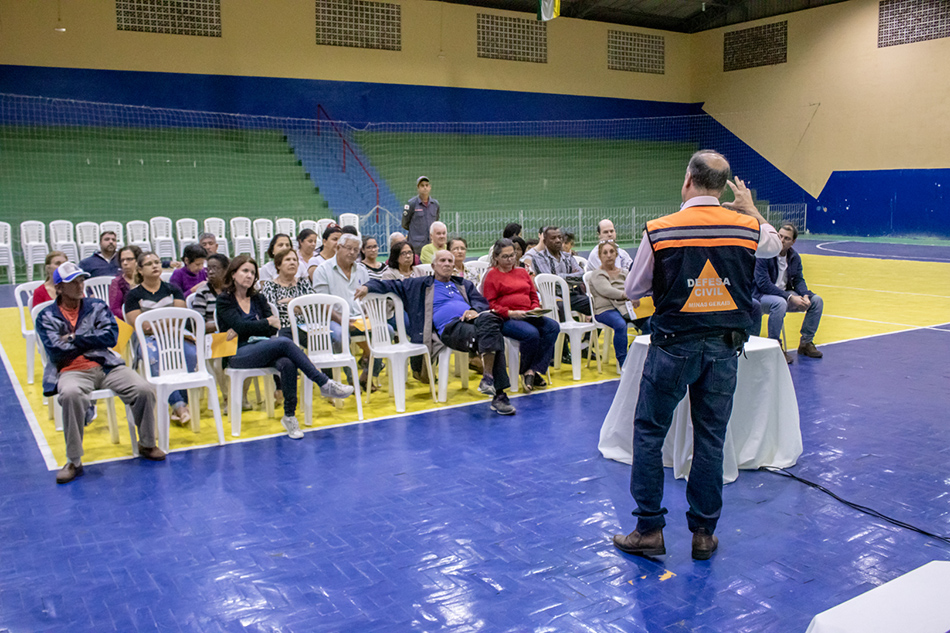
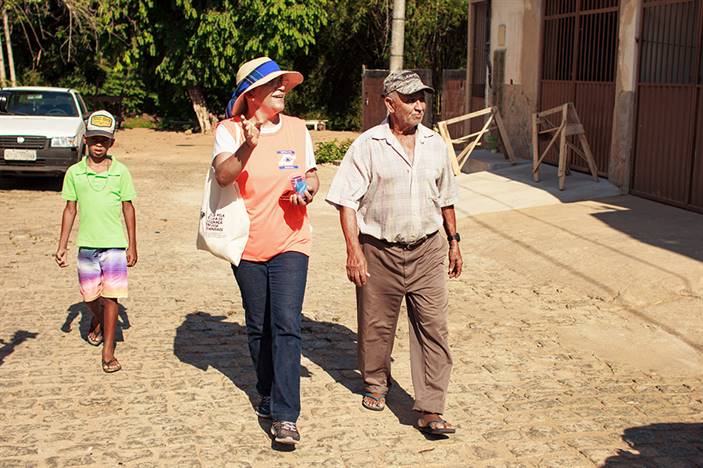
Periodically, information campaigns are carried out about the PAE and the actions that require the involvement of the population, such as knowing the alert system, programmed simulations.

To always stay on top of the news, sign up.
See the Meeting Points.

What is a meeting point?

It is the place marked as safe for people to stay in case of evacuation.

Aimorés/MG and Baixo Guandu/ES

Aimorés HPP

Glossary.

  • PAE: emergency action plan – documents and structures what the energy alliance team should do in an emergency situation and the interactions with the protection and civil defense agencies.
  • Self-rescue zone: region of the valley downstream (below) of the dam in which the warning notices to the population are the responsibility of the developer, as there is not enough time for an intervention by the competent authorities in emergency situations, and the greatest of the following distances must be adopted for its delimitation, that is, the distance that corresponds to a time of arrival of the flood wave equal to 30 minutes or 10 km.
  • Escape route: it is the route to be followed in the event of an emergency that requires evacuation in the area.
  • Meeting point: it is the place marked as safe for people to stay, in case of evacuation.
  • Evacuation drill: consists of training the population, protection agencies, and the company to act in an emergency. It has a scheduled day and time and the population is informed in advance.
  • Alert system: it consists of sirens and signaling of escape routes and meeting points in the locality. They serve to warn the population efficiently if the emergency plan is triggered.
  • Downstream: it is the reference for the location of a structure or person after the dam of the hydroelectric plant, following the direction of the river flow.

PAE 2021/2022 Campaign

Do you want to receive communications from us?

Periodically, information campaigns are carried out about the PAE and the actions that require the involvement of the population, such as knowing the alert system, programmed simulations.

To always stay on top of the news, sign up.

If you have any questions, contact us!


    Mobile

    In which State and City do you live?

    We will keep your data only for as long as you wish. They will be safe and at any time you can edit them or stop receiving our messages.